
In today’s highly competitive digital environment, search engine visibility is essential for business growth. Search Engine Advertising (SEA) allows companies to appear instantly at the top of sponsored search results and capture high-intent traffic. When strategically managed, SEA becomes a powerful performance marketing channel capable of generating qualified leads, increasing sales, and maximizing return on investment.
Post Outline
1. What Is SEA?
Search Engine Advertising (SEA) refers to paid advertising campaigns displayed on search engines through platforms such as Google Ads. It operates primarily on a pay-per-click (PPC) model, meaning advertisers only pay when users click on their ads. Unlike Search Engine Optimization (SEO), which builds organic visibility over time, SEA provides immediate exposure on search engine results pages (SERPs), making it an ideal strategy for short-term growth and rapid traffic acquisition.

2. Key Benefits of SEA
The primary advantage of SEA is speed combined with precision targeting. Campaigns can be launched quickly and begin driving qualified traffic almost immediately. Advertisers can target audiences based on location, device type, demographics, interests, and search intent. SEA also offers full budget control, allowing businesses to set daily spending limits, adjust bids in real time, and optimize campaigns based on measurable performance data.

3. Choosing the Right Keywords
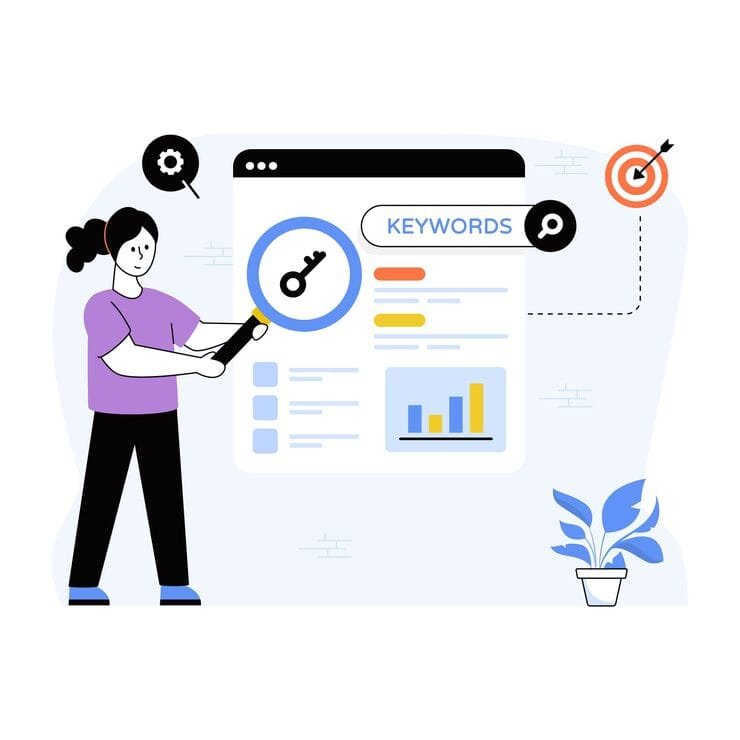
Successful SEA campaigns start with strategic keyword research. Selecting relevant keywords aligned with user intent and business objectives is crucial for attracting high-quality traffic. High-intent keywords such as “buy,” “quote,” or “book now” typically generate stronger conversion rates. Long-tail keywords help reduce competition and lower costs, while negative keywords prevent ads from appearing for irrelevant searches, improving campaign efficiency and return on ad spend.
4. Writing High-Performing Ads
Effective search ads must capture attention while clearly addressing user needs. Strong headlines, a compelling value proposition, and a clear call-to-action are essential to increasing click-through rates (CTR). Ad extensions—such as sitelinks, call extensions, and promotional highlights—enhance visibility and provide additional information to users. Well-structured ads improve Quality Score, which can lower cost per click and improve ad positioning within search results.

5. Optimizing Landing Pages
Even the best ad cannot perform without a well-optimized landing page. The landing page must align with the ad’s message, deliver a seamless user experience, and guide visitors toward conversion. Fast loading speed, mobile responsiveness, clear messaging, and simple forms are critical elements of high-converting pages. Continuous A/B testing helps refine layouts, headlines, and calls-to-action to improve overall campaign performance.

6. Budget Management and Bidding Strategies
SEA operates within a competitive bidding system, making budget management essential. Advertisers can choose bidding strategies such as Cost-Per-Click (CPC), Cost-Per-Acquisition (CPA), or Return on Ad Spend (ROAS) depending on campaign goals. Regular performance analysis allows businesses to reallocate budgets toward high-performing campaigns, adjust bids strategically, and pause underperforming ads to maximize overall profitability.

7. Performance Analysis and Key Metrics
Data analysis is fundamental to long-term SEA success. Key performance indicators (KPIs) such as Click-Through Rate (CTR), Cost-Per-Click (CPC), conversion rate, Cost-Per-Acquisition (CPA), and Return on Investment (ROI) provide clear insights into campaign effectiveness. Monitoring these metrics enables continuous optimization of keywords, ad copy, targeting, and landing pages to drive sustained growth.

8. SEA and SEO: A Complementary Strategy
SEA and SEO are not competing strategies, they work best together. SEA delivers immediate visibility and rapid traffic, while SEO builds long-term organic authority through content optimization and technical improvements. By integrating both approaches, businesses can dominate search results, increase brand credibility, capture traffic at multiple touchpoints, and improve overall conversion performance. This combined strategy creates both short-term wins and sustainable growth.

9. SEA Advertising Formats
SEA includes multiple advertising formats beyond traditional text ads. Businesses can leverage Search ads, Shopping campaigns, Display advertising, YouTube video ads, and remarketing strategies to engage users throughout the customer journey. Diversifying ad formats allows brands to increase awareness, nurture prospects, and drive conversions more effectively across different stages of decision-making.
Conclusion
Search Engine Advertising is a powerful digital marketing channel for increasing online visibility, attracting qualified traffic, and generating measurable business results. However, success depends on a structured approach that includes strategic keyword research, compelling ad copy, optimized landing pages, smart bidding strategies, and ongoing performance analysis. When combined with SEO, SEA becomes a cornerstone of a high-performing and balanced digital marketing strategy.